
Columbarium vs. Traditional Grave in the Philippines: Making the Right Memorial Choice


In the Philippines, honoring a loved one after death is deeply rooted in family bonds, faith, and long-standing traditions. Decisions around memorial arrangements are rarely simple. They involve not only practical considerations, but also emotion, culture, and the desire to preserve dignity and remembrance for future generations.
As urban living expands, land becomes more limited, and family circumstances evolve, many Filipino families are thoughtfully reconsidering their options. Two of the most common choices today are columbarium interment and traditional burial in a cemetery grave.
This article explains the key differences between a columbarium and a traditional grave in the Philippine context, to help families make an informed and respectful decision that feels right for them.
What Is a Columbarium?

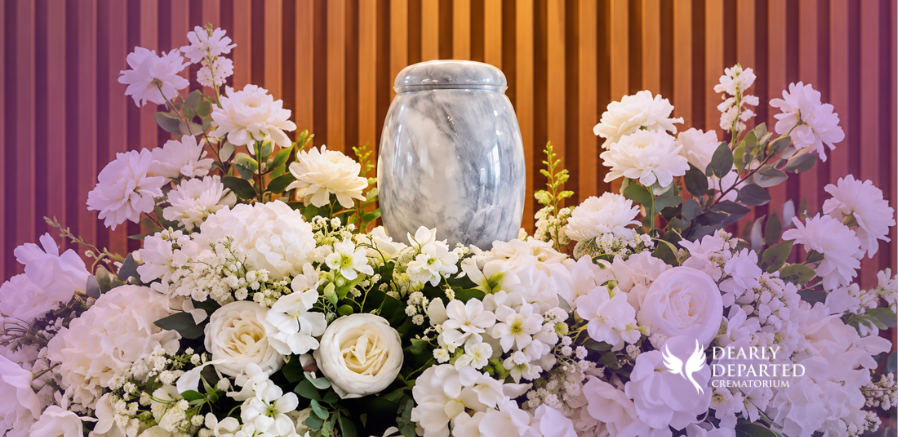
A columbarium is a structure designed to house cremated remains in individual compartments called niches. These may be located indoors or outdoors and are arranged to provide a quiet, orderly space for remembrance, prayer, and reflection.
In the Philippines, particularly in urban areas where cemetery space is increasingly limited, columbariums have become a practical and widely accepted option. They offer families a dedicated place to visit their loved ones without many of the challenges associated with land scarcity and long-term upkeep.
Why Many Families Consider a Columbarium
Intended specifically for cremated remains
Requires significantly less space than a traditional grave
Generally easier to maintain over time
Offers organized and accessible visitation, especially during Undas and anniversaries
Suitable for families with members living in different cities or overseas
Well-designed columbariums aim to provide a calm and dignified environment, allowing families to focus on remembrance rather than logistical concerns.
What Is a Traditional Grave?

A traditional grave involves the burial of the body in a cemetery plot, typically marked by a headstone or monument. This practice remains deeply meaningful for many Filipino families, especially those with strong ancestral ties or long-established family burial grounds.
Traditional burial is closely connected to cultural and religious customs and continues to hold an important place in Philippine society.
Key Characteristics of a Traditional Grave
Full-body burial in a cemetery
Use of a purchased or family-owned plot
Ongoing responsibility for maintenance and care
Strong connection to ancestry, heritage, and family history
For some families, the physical presence of a grave within a family plot provides a sense of continuity and connection across generations.
Columbarium vs. Traditional Grave: Key Differences
Aspect | Columbarium | Traditional Grave |
Type of Remains | Cremated ashes | Full body burial |
Space Requirement | Very minimal | Large cemetery plot |
Cost | More budget-friendly | Higher upfront and long-term costs |
Maintenance | Low | Requires regular upkeep |
Urban Suitability | Ideal for cities | Limited by land availability |
Visitation | Accessible and organized | Weather-dependent |
Cultural Considerations for Filipino Families
While traditional burial remains deeply respected, cremation and columbarium interment have become more widely accepted in the Philippines over time. Many families value the practicality, cleanliness, and accessibility that columbariums offer, particularly when space is limited or loved ones live far away.
At the same time, some families continue to prefer traditional graves for their symbolic connection to family history and ancestral roots. These preferences are deeply personal, and both choices are valid expressions of love, respect, and remembrance.
What matters most is choosing an option that aligns with family values, beliefs, and circumstances.
How Dearly Departed Supports Filipino Families
Dearly Departed is committed to providing compassionate, dignified end-of-life services tailored to Filipino families. From cremation services to secure and well-maintained columbarium spaces, Dearly Departed helps families navigate difficult decisions with care, transparency, and respect.
Their facilities are designed to balance modern needs with Filipino values making remembrance accessible, peaceful, and meaningful for generations to come.

Choosing a Memorial That Honors Life and Legacy
Choosing between a columbarium and a traditional grave in the Philippines ultimately comes down to personal values, family traditions, and practical considerations. What matters most is honoring your loved one in a way that brings comfort, peace, and lasting remembrance.
Whether you are planning ahead or making arrangements during a difficult time, Dearly Departed is here to support you helping you create a tribute that reflects love, respect, and enduring Filipino family values.


Comments