
Common Filipino Funeral Traditions Explained: Honoring Loved Ones with Faith, Family, and Respect

Death is one of life's inevitable realities, yet in the Philippines, it is rarely faced alone. During times of loss, relatives, friends, neighbors, and entire communities come together to offer prayers, comfort, and support.
This strong sense of togetherness is reflected in Filipino funeral traditions. Rooted in faith, family values, and community, these customs provide meaningful ways to honor a loved one's life while helping those left behind begin the journey through grief.
Although traditions may vary across regions, cultures, and religious beliefs, their purpose remains the same. They create opportunities to remember, celebrate a life well lived, and surround grieving families with compassion and care.
Whether you are making funeral arrangements or simply seeking to better understand Filipino funeral customs, knowing the meaning behind these traditions can help make an emotional time feel a little less overwhelming.
Why Filipino Funeral Traditions Continue to Matter
For generations, funeral traditions have served as more than ceremonial practices. They provide structure during an emotionally difficult time, allowing loved ones to gather, share memories, and support one another.
These traditions also remind us that grief is not something we are expected to carry alone. Every visit, prayer, conversation, and shared meal becomes an expression of love for the person who has passed and reassurance for those who remain.
While modern memorial practices continue to evolve, the values behind these customs remain deeply rooted in Filipino culture.
1. The Wake (Lamay)

One of the most recognized Filipino funeral traditions is the lamay, or wake.
The wake provides an opportunity for relatives, friends, neighbors, and colleagues to come together before the final farewell. Beyond paying their respects, visitors offer comfort through their presence, prayers, and shared memories.
Traditionally, a wake lasts between three and seven days, although the duration may vary depending on family preferences, cultural practices, or personal circumstances.
Throughout the wake, it is common for visitors to:
- Offer prayers for the deceased
- Share stories and cherished memories
- Spend time with the bereaved
- Express sympathy and encouragement
Food and refreshments are often served throughout the gathering, reflecting the Filipino tradition of hospitality, even during periods of mourning.
More than simply observing a custom, the wake creates a space where grief can be shared and where families find strength in the presence of those around them.
2. Novena and Prayer Gatherings

As the wake continues, prayer becomes an important source of comfort for many Filipino families.
Catholic families commonly observe a nine-day novena, gathering each evening to pray for the eternal repose of their loved one's soul. These gatherings also provide an opportunity for relatives and friends who were unable to attend the wake to offer their prayers and support.
For many families, remembrance continues beyond the novena. Prayer gatherings are often held again on the 40th day after death and during yearly death anniversaries, allowing loved ones to continue honoring the memory of the deceased.
These moments reinforce the belief that remembrance is not limited to the funeral itself but continues long afterward through faith, reflection, and family connection
3. Funeral Mass or Religious Service
Before the final interment or cremation, many families hold a funeral Mass or religious service.
This gathering offers an opportunity to celebrate a loved one's life while providing hope and comfort to those who are grieving.
Depending on family traditions, the service may include Scripture readings, hymns, prayers, eulogies, and personal tributes that reflect the individual's life and legacy.
While emotions are often at their strongest during this time, the service also reminds everyone present of the enduring impact a loved one has had on family and friends.
4. Burial or Cremation

Following the religious service, families proceed with either burial or cremation.
In recent years, cremation has become an increasingly accepted choice in the Philippines. Many families appreciate the flexibility it offers while still allowing them to observe meaningful funeral traditions.
Choosing cremation does not mean giving up customs such as the wake, funeral Mass, novenas, or memorial gatherings. These traditions can still be observed before or after the cremation, allowing families to honor their loved one in ways that remain consistent with their beliefs and values.
Whether a family chooses burial or cremation, the most important consideration is creating a farewell that reflects the life being remembered with dignity and respect.
5. Flowers, Condolences, and the Spirit of Bayanihan
Offering flowers has long been a meaningful expression of sympathy in Filipino culture.
White lilies, chrysanthemums, roses, and orchids are among the flowers most commonly chosen because they symbolize peace, purity, and remembrance.
Equally important are the personal expressions of support that visitors offer. A quiet conversation, a heartfelt condolence, or simply being present often brings comfort during difficult moments.
In many communities, relatives, neighbors, and friends also provide practical assistance to the bereaved family. This reflects the Filipino value of bayanihan, where people come together to support one another through times of hardship.
6. The Final Journey
Following the funeral service, loved ones accompany the deceased during the funeral procession to the cemetery or crematorium.
Although this is often one of the most emotional moments of the funeral, it also represents a final act of love and gratitude.
Walking or traveling together for this last journey reminds families that while they are saying goodbye physically, the memories and relationships they shared continue to live on.
7.The 40th Day and Continuing Remembrance
For many Filipino Christians, the 40th day after death remains a significant occasion for prayer and remembrance.
Family and friends gather once again to reflect on the life of their loved one, pray together, and continue supporting one another as they adjust to life after loss.
Remembrance also continues during birthdays, death anniversaries, and Undas, when families visit memorial sites to offer prayers, flowers, and quiet moments of reflection.
These traditions help preserve a lasting connection between generations, ensuring that the stories, values, and memories of loved ones continue to be shared.
How Funeral Traditions Continue to Evolve
While Filipino funeral traditions remain deeply meaningful, the way families observe them continues to evolve.
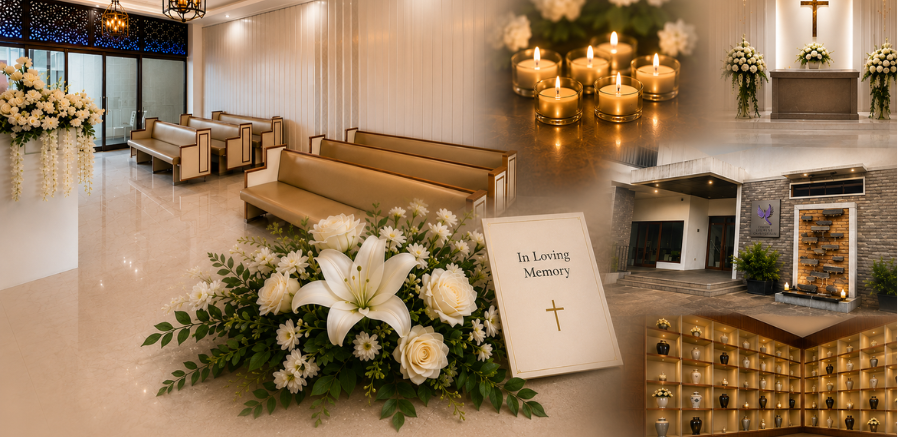
Today, many families combine long-standing customs with modern memorial options that better suit their needs and circumstances. Comfortable wake facilities, cremation services, indoor columbariums, and thoughtfully designed memorial spaces now allow families to continue honoring traditions while providing greater accessibility and convenience.
Rather than replacing tradition, these modern options support it by creating environments where remembrance can continue with dignity, comfort, and peace of mind.
Compassionate Care at Dearly Departed

At Dearly Departed, we understand that every farewell is deeply personal.
Whether a family chooses a traditional burial, cremation, or another memorial option, our role is to provide thoughtful guidance while respecting the beliefs, customs, and wishes that matter most to them.
Our wake facilities, cremation services, and memorial spaces are designed to provide a peaceful environment where loved ones can gather, reflect, and celebrate a life well lived.
More importantly, we are committed to supporting families with compassion, professionalism, and respect throughout every stage of the journey.
Frequently Asked Questions
How long does a Filipino wake usually last?
A Filipino wake typically lasts between three and seven days, although the duration may vary depending on family preferences, cultural traditions, and personal circumstances.
Can traditional funeral customs still be observed if cremation is chosen?
Yes. Families may still hold a wake, funeral Mass, novena, prayer gatherings, and memorial services before or after cremation. Choosing cremation does not prevent families from honoring meaningful Filipino traditions.
Why is the 40th day after death significant?
For many Filipino Christians, the 40th day is observed as an important time for prayer and remembrance. It provides another opportunity for family and friends to gather, reflect, and continue honoring the memory of their loved one.
What should I bring when attending a Filipino wake?
Visitors commonly bring flowers, offer prayers, sign the guestbook, and express their condolences. Above all, being present and offering sincere support is often the most meaningful gesture.
Honoring a Life, Embracing a Legacy
Although funeral traditions continue to evolve, the values that shape them remain unchanged. Love, faith, respect, and family continue to guide the way Filipinos honor those who have passed away.
Whether through a traditional burial, cremation, a memorial gathering, or quiet moments of remembrance, these customs remind us that a person's legacy lives on through the lives they touched and the memories they leave behind.
At Dearly Departed, we are honored to support families as they navigate these meaningful moments. Through compassionate guidance, peaceful facilities, and respectful memorial services, we strive to help every family create a farewell that reflects the life, values, and legacy of someone deeply loved.
If you would like to learn more about funeral traditions, cremation services, or memorial planning, our team is here to provide thoughtful guidance and answer your questions.
There is no need to make immediate decisions. We are here to provide compassionate support, clear information, and a welcoming environment where every life can be honored with dignity, care, and lasting respect.



Comments